This post may contain affiliate links, which means I may earn a commission for my recommendations at no additional cost to you. By browsing this website, you agree to our privacy policy and terms of use.

If you’re looking to stop wasting money on spoiled produce and expired pantry staples, these 9 actionable tips will help you reduce food waste, stretch your budget, and maximize every dollar spent at the grocery store.

When it comes to saving money on groceries, it's easy to focus your attention on grocery shopping tips and how much you're spending at the grocery store each week. But reducing food waste is just as important.
Every year, the average household throws away hundreds, if not thousands, of dollars worth of food. When you waste food, you’re not just wasting ingredients; you’re wasting the money you spent on them. Every piece of produce or serving of leftovers that goes uneaten is literal cash going in the garbage. And with today's inflated grocery prices, this waste adds up QUICKLY.
In this article, I'm sharing nine practical tips to help you reduce food waste and save your family hundreds of dollars by doing it. These strategies will help you take full advantage of your groceries, ensuring that nothing goes to waste and every dollar you spend on food works harder for you. The best part? You can start implementing these tips right away!
1. Make a meal plan
How many times have you made a last minute trip to the grocery store on Sunday night, bought a bunch of random ingredients that sounded good, and then ended up throwing half of them away because they went bad before you figured out what to do with them?
I've certainly been guilty of this in the past, but taking 15 minutes to create a meal plan puts this vicious cycle to a stop. By knowing exactly what you’re going to cook ahead of time, you can shop with a purpose and buy just the right amount of food.
Plus, meal planning helps you get creative with what’s already in your pantry or freezer (also known as reverse meal planning!). Instead of letting that can of pinto beans or those frozen mixed vegetables get freezer burn, you can build your meals around what you already have. Less waste means more savings—and honestly, who doesn’t want that?
2. Stick to your shopping list
Sticking to your grocery list is a simple yet effective way to prevent food waste. By having a clear plan when you enter the store, you’re less likely to fall into the trap of picking up unnecessary items that often end up forgotten and spoiled in your fridge.
Think of your shopping list as step 2 of your meal plan strategy. If you make a fantastic meal plan and subsequent list, but then go to the store and buy tons of things that aren't on that list, it defeats the purpose of making the meal plan in the first place.
Every item on your grocery list should have a purpose in your meal plan. Anything outside the list is likely not essential for your meals that week.
If you find impulse buys to be a huge struggle for you, I highly recommend trying Walmart Grocery Pick up (or grocery pick up from your favorite grocery store). When you shop online, you're less likely to be distracted by those beautiful end caps or new products that catch your eye!
Get $10 OFF your first 3 grocery orders with Walmart Grocery Pick up and give it a try.
3. Freeze leftovers

Freezing leftovers is one of the easiest ways to cut down on food waste. Instead of tossing out perfectly good meals that you couldn’t get to in time, get in the habit of freezing them in individual servings.
If you're signed up for my Weekly Budget Eats and Receipts series, you'll know I freeze leftovers using my Souper Cubes almost every single day.
The best part? Freezing leftovers helps you avoid having to cook every night. Whether it’s a big batch of soup or extra servings from dinner, you can portion them out into individual containers, freeze them, and pull them out whenever you need. This way, nothing gets wasted, and you’re always stocked with homemade freezer meals ready to go.

4. Incorporate a leftovers bin in the fridge

Not to be dramatic, but this simple trick changed my life. For years I struggled with a disorganized fridge, and therefore tons of wasted food, especially leftovers. But once I created a labeled leftovers bin, the amount of leftovers wasted decreased to almost none overnight.
Plus, the leftovers bin acts as a limit on how many leftovers I can have in the fridge at once. If my leftovers bin is full, I know it's time to have a leftovers night or freeze leftovers I won't eat before they go bad.
5. Pre-cut fruits and vegetables

Pre-chopping fruits and vegetables has been a game-changer when it comes to reducing food waste. I know from experience that if my veggies aren’t prepped and ready to go, they’re much more likely to sit untouched in the fridge until they go bad. But when everything’s already chopped and easy to grab, I’m so much more likely to actually eat it.
It’s like having a fridge full of snack options right at your fingertips—carrot and bell pepper sticks for dipping, chopped romaine for quick salads, or even cut up fruit ready to eat by the handful.
When everything’s prepped, it’s convenient, and convenience makes it easier to eat healthy and avoid food waste. You won’t forget about that head of broccoli buried in the crisper if it’s already cut up and ready to be roasted for dinner.
6. Get creative with leftovers
Adding a leftovers night to your weekly meal plan is a great way to instantly cut down on food waste, and it can actually be a lot of fun if you approach it like your own personal episode of Chopped! Instead of dreading another night of reheating random bits and pieces from the fridge, think of it as a challenge to get creative and come up with something totally new.
You’ve got a half-serving of roasted veggies, some leftover taco meat, and maybe a scoop of leftover refried beans? Time to mix and match! Turn them into a taco salad or plate of nachos.
7. Keep your pantry organized

Is your pantry well organized and rotated through regularly? Or is it a hot mess sandwich? When your pantry staples are clearly visible, you can easily avoid overbuying, prevent duplicate purchases, and focus on using what you already have. This also helps you stay on top of expiration dates and plan meals more efficiently, reducing the need for extra grocery trips.
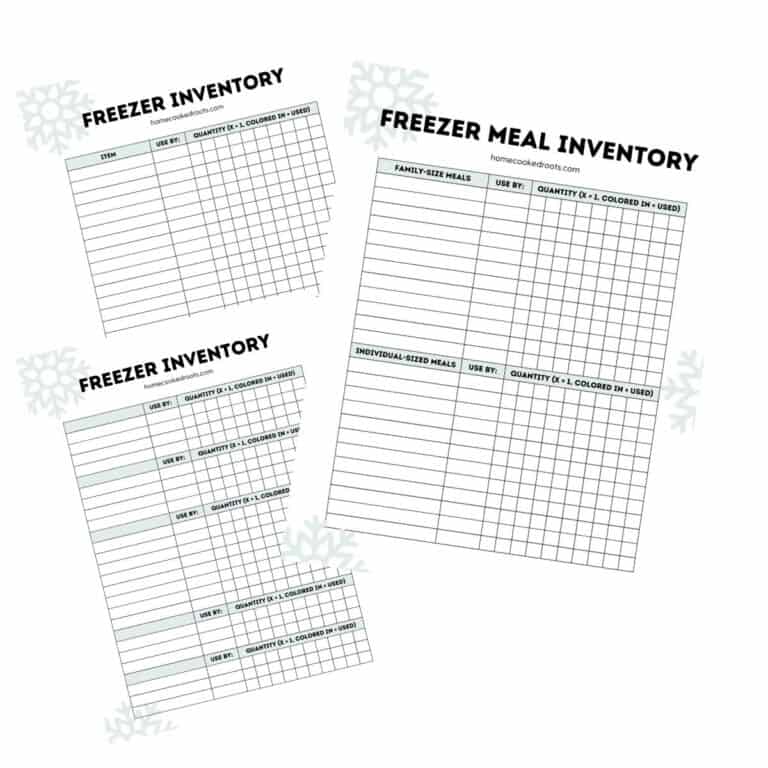
In addition to pantry organization, I like to keep my fridge and freezer organized with my Free Inventory sheets. Download yours today and try the system!
8. Refrigerate your breads and tortillas
If you're someone that's always kept your bread and tortillas at room temperature, it's time to change that. When stored at room temperature, breads and tortillas are prone to mold and can go stale quickly, especially if you live in a warmer or more humid climate.
In my experience, bread and tortillas at room temperature get moldy in less than 5 days. But refrigerating breads (or freezing for longer term use) significantly extends their shelf life and reduces food waste.
Then when ready to eat, simply toast or warm until pliable again in a hot skillet and enjoy!
9. Keep your potatoes and onions stored separately
Potatoes and onions are notorious for being cheap and easy to keep fresh when stored properly. But did you know that they both will spoil much faster when stored together?
Onions release gases, particularly ethylene, which accelerates the ripening process of nearby produce. When stored next to potatoes, these gases can cause potatoes to spoil and sprout faster than normal. This leads to a shorter shelf life for your potatoes, increasing the likelihood that they’ll become unusable before you have a chance to cook them.
Additionally, potatoes and onions both require different storage conditions to stay fresh. Potatoes prefer a cool, dark, and well-ventilated space, while onions thrive in a dry, well-ventilated area. Storing them separately in the right conditions ensures that each remains fresh for as long as possible, reducing the chance of spoilage and waste.
By making a few small changes, you can drastically reduce food waste and save hundreds each year. Start with one or two tips today, and you’ll quickly see how much further your grocery budget can go. To get started, learn exactly How I Meal Plan to Save Money.